


Why This Fear of Losing Someone Feels So Strong and How to Cope With Fear of Loss Before It Even Happens
Why does the fear of losing someone feel so strong? Explore the anxiety behind this fear and how to manage the worry of losing a loved one before it even happens.
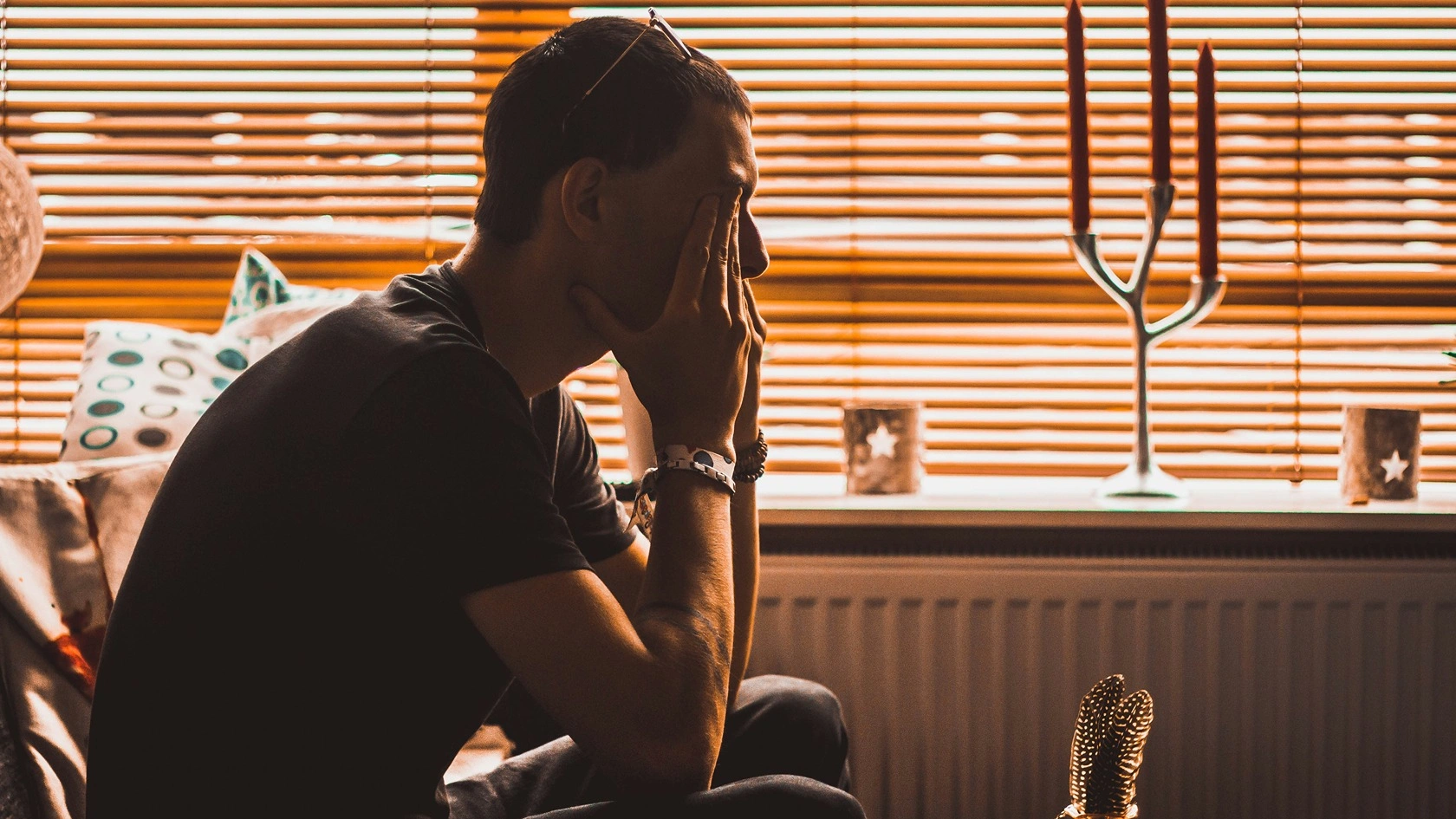
Why does the thought of losing someone feel so scary and overwhelming? Sometimes our mind keeps imagining the hypothetical loss of a beloved friend or family member, and the anxiety, panic, and grief that come with it can feel painfully real. Even without illness, severe prognosis, or high risk of dying, this thought can leave us sad, afraid, and mentally drained.
These imagined scenarios can show up unexpectedly, surrounding us with stress and suffering that cling to our emotions and take away from the time we have together. The mind can turn illusions into intense experiences, making it hard to let go or avoid denial.
Recognizing the root of these feelings and showing ourselves patience and kindness is a first step. Therapy, support from friends and family, and strategies to manage anxious thoughts can help us navigate this experience. Read on to understand why this fear feels so strong and how it shapes our minds and emotions.
Why the Intense Fear of Losing a Loved One Happens

The fear of losing someone you love can feel painfully real and mentally exhausting. Even without any immediate danger, it’s easy for the mind to imagine their hypothetical death many times, creating anxiety that can overwhelm emotions. Learning why this fear arises is the first step to coping and showing ourselves patience.
- Mental habit of imagining loss: It’s normal to picture what life would be like if a loved one were gone, but repeatedly imagining their hypothetical death can make the fear feel intense.
- Strong emotional attachment: When you care deeply about friends or family, it’s hard to ignore thoughts of losing them, and these fears can weigh heavily on your mind.
- Past experiences or grief: If you’ve gone through loss before, your mind may be extra sensitive to the possibility of it happening again.
- Fear of illness or accidents: Thinking about common deadly diseases like cancer, accidents, or other severe scenarios can create panic, even if the chances are low or the statistics are rational.
- Anxiety habits: Over time, these repeated worries can become a habit that drains mental energy and can negatively affect the time you spend together.
Types of Loss and How They Make Us Grieve

Loss isn’t always about death, but it can still bring real fear, anxiety, and grief. Even when the situation isn’t permanent, it can feel painful and affect us mentally, especially when it involves someone or something we care about. Allowing ourselves to recognize these losses and show ourselves patience is an important part of coping.
Loss of a Romantic Partner
Ending a long-term relationship or marriage can feel intensely painful. You might grieve deeply and experience anxiety, sometimes feeling torn between relief and sadness. These emotions can affect your mental space and the way you spend your time together with others.
Loss of a Friendship
Friendships can fade for many reasons—distance, changing values, or disagreements. Losing someone you care about can feel devastating, leaving a real gap in your daily life and support system.
Family Separation or Conflict
Taking a break from a family member or dealing with ongoing tension can be necessary for mental health. Even so, it can be painful and intensely affect your mind, reminding you of the importance of the time you share with loved ones.
Changes in Social Groups
Leaving a job, moving, or losing contact with a social circle can bring a sense of isolation. These changes can feel devastating and trigger anxiety that’s hard to ignore.
Death of a Loved One
Even when you understand that death is inevitable, losing someone beloved is profoundly painful. The grief can be intense, reminding us to cherish the time we have together.
Loss of Health or Physical Ability
Illness or changes in physical ability can create fear and anxiety, especially when they affect independence or daily life. These losses can mentally and emotionally devastate, intensifying feelings of vulnerability.
Loss of a Job or Career Path
Losing a job or facing major career changes can trigger anxiety and grief for the life you had imagined. This type of loss can mentally and emotionally affect your sense of identity and purpose.
Loss of a Pet
Pets are beloved family members, and losing them can feel just as painful as losing a human loved one. The grief can be intense and affect your mental and emotional state.
Loss of Personal Dreams or Goals
Sometimes, not achieving a meaningful goal or dream can feel like a loss. It can be painful and mentally draining, reminding us to show ourselves patience as we process these feelings.
Tips to Manage Anxiety, Worry, and Fear of Loss Before It Happens
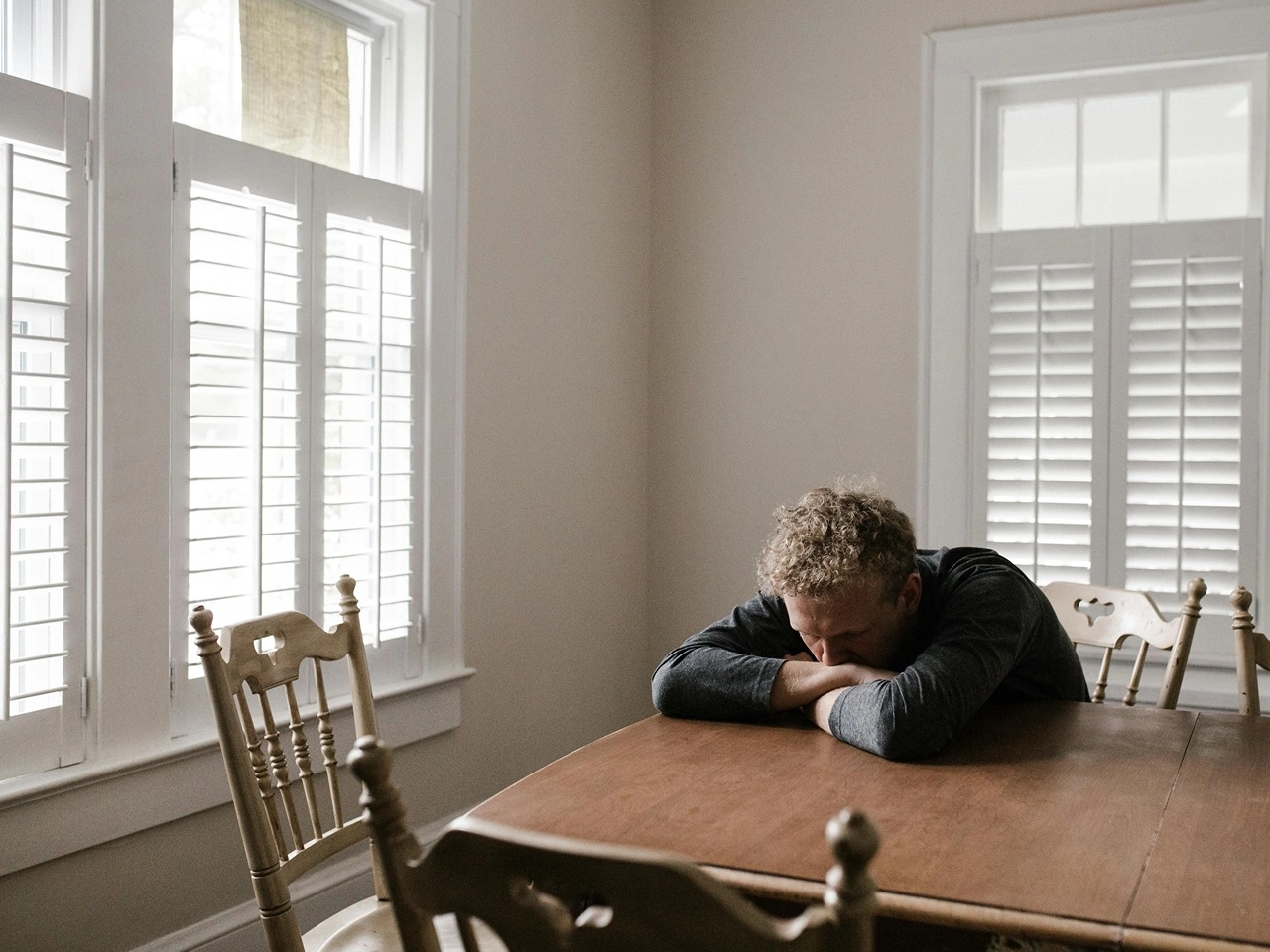
Feeling anxious or afraid about losing a loved one is something many of us experience. While we can’t prevent every loss, there are ways to manage the fear, protect our mental health, and make the most of the time together. We must show ourselves patience as we work through these intense emotions.
Acknowledge Your Feelings
It’s normal to feel anxiety, worry, or grief when thinking about loss. Accepting these emotions instead of ignoring them can prevent them from growing stronger and taking over your mind.
- Notice when fear or panic arises and permit yourself to feel it.
- Recognize that sadness or worry is part of caring deeply about someone.
- Remind yourself that experiencing these emotions doesn’t mean something is wrong.
Limit “What If” Thoughts
The mind often imagines the hypothetical loss of a loved one many times, which can make anxiety feel overwhelming. Bringing your focus back to the present can help reduce stress.
- Gently redirect your thoughts to the current moment.
- Avoid dwelling on unlikely or extreme scenarios.
- Use grounding techniques like deep breathing or simple mindfulness exercises.
Focus on Time Together
Spending meaningful moments with loved ones can reduce fear and strengthen connections. Being present helps you enjoy the time you have and eases anxious thoughts.
- Plan activities that bring joy and connection.
- Prioritize conversations that truly matter.
- Appreciate small, everyday moments together.
Practice Self-Care
Taking care of your mind and body helps prevent anxiety from becoming overwhelming. Simple routines can help you feel grounded and emotionally resilient.
- Maintain healthy sleep, nutrition, and exercise habits.
- Engage in calming activities like journaling, meditation, or light movement.
- Take breaks when thoughts become too intense or stressful.
Seek Professional Support
Sometimes fear and anxiety can feel too heavy to handle alone, and they may even resemble an anxiety disorder. A therapist or clinical professional can help diagnose patterns, explore the root of fears, and provide strategies to cope.
- Consider therapy if anxiety is persistent or disruptive.
- Work with a clinical professional to develop healthy coping habits.
- Be patient with yourself as you learn tools to manage intense emotions.
When to Seek Therapy for Anxious Feelings About Losing Someone

Reaching out for professional support can help you manage these feelings before they become overwhelming. A therapist provides a safe space to explore your fears and offers guidance to cope in a healthier, more balanced way.
Signs You Might Benefit from Therapy
You might consider therapy if anxiety about losing someone begins to interfere with your everyday life. Recognizing these signs early can make it easier to get help and prevent the feelings from becoming too intense.
- Worry or fear that feels constant and hard to control.
- Struggling to enjoy time with loved ones because your mind keeps imagining worst-case scenarios.
- Feeling panic, restlessness, or mental exhaustion linked to these thoughts.
How Therapy Can Help
A therapist can help you understand why these fears feel so strong and guide you toward practical ways to manage them. Talking to someone trained in coping strategies can reduce stress and help you feel more grounded in your relationships.
- Learn techniques to calm anxious thoughts and reduce panic.
- Explore the root of your fears and understand why they affect you so deeply.
- Build skills to cope with anxiety and stay present in meaningful moments with loved ones.
When to Reach Out Quickly
If anxiety is affecting your sleep, focus, relationships, or overall well-being, it’s a sign to reach out for help sooner rather than later. Getting support early can make a big difference in how you process these emotions.
- Seek help if worry keeps you from living fully in the present.
- Don’t wait until the anxiety feels overwhelming—therapy can help you process your feelings and restore balance.
Final Thoughts
Fear of losing someone we love can feel overwhelming, even when nothing immediate is threatening. Our minds often replay “what if” scenarios over and over, making anxiety, grief, and panic feel almost real.
It’s natural to feel this way, and showing ourselves patience is an important first step. Focusing on meaningful moments with loved ones, taking care of ourselves, and staying present can help ease these intense feelings.
If worry starts to interfere with daily life, talking to a therapist can provide support and practical strategies to cope. While we can’t prevent loss, we can learn to manage our emotions, cherish the time we have, and navigate these fears with compassion—for ourselves and those we care about.
Frequently Asked Questions
What causes the intense fear of losing a loved one?
Feeling a strong fear of losing someone you care about is natural, even if it can feel overwhelming at times.
Understand the root: Past experiences of loss or grief can make your mind more sensitive to the possibility of losing someone again.
Recognize emotional attachment: The closer you are to someone, the stronger your feelings of fear and worry can become.
Notice mental habits: Repeatedly imagining “what if” scenarios can intensify your anxiety and stress.
Validate your feelings: Accepting that this fear is normal can help you feel less guilty or anxious about it.
Focus on the present: Enjoying time together and appreciating small moments can help calm these intense fears.
How can anxiety about a loved one dying affect daily life?
Worrying about a loved one dying can sneak into everyday thoughts, making even simple tasks feel heavier.
Observe the impact: Anxiety can affect your focus, energy, and ability to enjoy the present with loved ones.
Acknowledge the feelings: Understanding that these emotions are normal helps reduce self-blame.
Identify triggers: Thoughts about illness, accidents, or past experiences can spark repeated anxious thinking.
Use grounding strategies: Mindfulness, deep breathing, or journaling can help you feel more centred.
Reach out for support: Talking to friends, family, or a therapist can help you navigate these feelings before they take over your day.
Why do I keep imagining scenarios where someone I love dies?
It’s common for the mind to imagine worst-case scenarios, especially about the people we care most about.
Recognize mental patterns: Constantly replaying “what if” situations can create more stress than the actual risk.
Understand emotional processing: Imagining loss is often a reflection of how deeply you care and the fear of grief.
Notice the impact: These thoughts can drain your energy and affect your mood without you realizing it.
Practice redirecting thoughts: Gently bringing your focus back to the present can lessen the grip of these imagined scenarios.
Consider professional guidance: A therapist can help you understand your thought patterns and teach ways to manage anxiety.
How can I cope with feelings of grief and worry before a loss happens?
Feeling grief or worry before something happens can feel confusing and emotionally exhausting.
Acknowledge your emotions: Allow yourself to feel sadness, fear, or worry without judging yourself.
Focus on quality time: Spending meaningful moments with loved ones can ease anxiety and strengthen bonds.
Use calming techniques: Mindfulness, meditation, or simple breathing exercises can help reduce stress.
Seek support: Talking to friends, family, or a therapist can provide reassurance and guidance.
Build healthy routines: Journaling, self-care, and maintaining everyday habits can help you feel more grounded.
When does fear of loss become more than normal anxiety?
Worrying about losing someone is normal, but it becomes more serious when it starts to interfere with your life.
Identify intensity: Constant panic, intrusive thoughts, or worry that won’t go away can be a sign.
Notice changes in behaviour: Avoiding activities, overchecking on loved ones, or feeling unable to enjoy life can indicate your anxiety is affecting you.
Consider professional help: A therapist can help you understand your fears, identify triggers, and develop coping strategies.
Validate your experience: Feeling fear doesn’t make you weak—seeking help shows strength and care for yourself.
Act early: Addressing anxiety sooner rather than later can protect your emotional well-being and improve the time you spend with those you love.
Check out more helpful articles
Lorem ipsum dolor sit amet, consectetur adipiscing elit, sed do eiusmod tempor incididunt ut labore et dolore magna aliqua. Lorem ipsum dolor sit amet, consectetur adipiscing elit, sed do eiusmod tempor incididunt ut labore et dolore magna aliqua.
Shame vs Guilt: How to Tell the Difference and Their Emotional Impact
Learn the key differences between guilt and shame, how they affect your emotions and mental health, and learn strategies to cope effectively.


Signs and Causes of Attention Seeking Behaviour
Learn the common signs of attention seeking behaviour in people, the underlying causes, and what drives the need for attention in daily life.

Why Am I Always Angry? Causes and What You Can Do If You Feel Angry All the Time
Feeling angry all the time? Learn the common causes behind anger and learn practical, healthy ways to manage your emotions and regain inner calm.

Contact US
Know who you want to book with?
Book Online HereHave questions about counselling or something else?
Call or email us.
Want help choosing the right therapist? Complete our connect form below.


We are ready and looking forward to meeting you. Get started today by clicking the link below and booking your free 15-minute discovery call. All our services are private and confidential.

Disclaimer: Content on this website is for informational purposes only. Visiting this website does not establish any type of therapist-client relationship with Upstream Counselling or its staff. Information obtained from this site does not substitute for a thorough medical and/or psychiatric evaluation by an appropriately credentialed and licensed professional.