


Teenage Aggression and Anger Towards Mothers: What Causes Constant Teen Anger and How to Help Teens and Parents Through It
Understanding teenage aggression, what causes teenage anger towards mothers, and coping strategies to help teens and mothers.

Why do many teenagers often get angry and aggressive towards their mother and other family members? It can be tough to watch your teenager get angry, yell back, or seem upset for no reason. During adolescence, hormonal changes, mood swings, and intense emotions are normal, and a teenager may struggle to express their thoughts and feelings clearly, even towards the parent they feel safest with.
Teens experience stress from peer pressure, school, and their environment at home, which can make irritability and outbursts more frequent. Their prefrontal cortex, responsible for emotional regulation, is still developing, so managing feelings of anger isn’t always easy. Both teens and caregivers can feel frustrated, helpless, or unsure how to handle these moments.
Helping your teen means staying calm, practicing active listening, and fostering open communication. Seeking professional help, family therapy, or mental health support can offer coping mechanisms and effective strategies for both the teenager and the caregiver. Keep reading if you want to understand why teens get angry and how to support them while keeping your bond strong.
What Is Teenage Aggression and Why Do Many Teens Get Angry Easily

Seeing your teenage children get angry often can be exhausting and even heartbreaking. During adolescence, hormonal changes like shifts in testosterone and the ongoing development of the brain can make it harder for teens to manage intense emotions. These underlying emotional and social changes can sometimes make anger issues escalate, leaving both teens and parents feeling helpless.
Key points about teenage aggression:
- Teens may feel angry frequently because of stress levels, academic pressure, or changes in their family dynamic.
- Emotional distress is common and can affect adolescent mental health and social development.
- Underlying causes like school challenges or conflicts within the family often trigger outbursts.
- Difficulty expressing emotions can make tension escalate within the home.
- Recognizing these patterns early helps parents provide emotional support and build healthier parent-child relationships.
Understanding teenage aggression allows parents to set boundaries, offer support systems, and guide teens toward self-care, emotional well-being, and a healthy relationship within the family. With patience and understanding, it’s possible to help teenagers feel heard and supported even during intense emotions.
Signs Your Teen Is Experiencing Anger Often

Teens may struggle to express their emotions and feel ashamed or helpless, which can make anger seem constant. Knowing the signs early can help parents seek support, provide emotional guidance, and help teenagers express their emotions safely.
Damaging Property
Some teens take out their anger by breaking or throwing things.
- Shows difficulty managing strong feelings.
- May reflect underlying mental health issues.
Emotional Outbursts
Yelling, crying, or slamming doors often happens when emotions overflow.
- Indicates anger issues or emotional distress.
- It can make both teens and parents feel helpless.
Hurting Animals
Directing frustration toward pets or animals is a serious warning sign.
- Reflects unmanaged anger or underlying emotional issues.
- May lead to guilt or shame for the teen.
Bullying
Aggression toward peers or siblings shows anger spilling into social interactions.
- It can damage friendships or sibling relationships.
- Reflects difficulty expressing emotions appropriately.
Aggressive Behavior
Threatening or intimidating actions signal unresolved anger.
- Affects family dynamics and peer relationships.
- Can escalate if not addressed.
Physical Aggression
Hitting, pushing, or fighting is a clear sign of anger issues.
- Shows difficulty controlling emotions.
- Can cause harm to self or others.
Self-Harm
Some teens may hurt themselves to cope with anger or emotional distress.
- Serious indicator of mental health issues.
- Needs immediate attention from mental health professionals.
Constant Irritability
Persistent grumpiness or short temper may seem small, but it is significant.
- Reflects ongoing emotional distress.
- It can leave parents feeling helpless.
Fighting Often
Frequent arguments or conflicts at home or school.
- Shows trouble regulating emotions.
- Can harm relationships with family and peers.
Increased Moodiness
Rapid mood swings make it hard for parents to keep up.
- Reflects underlying emotional distress.
- It can make teens feel ashamed or misunderstood.
Withdrawal or Isolation
Some teens pull away from family, friends, or activities.
- Indicates helplessness or shame.
- Limits access to emotional support.
Angry Over Perceived Injustices
Teens may react strongly when they feel treated unfairly.
- Can create tension with family or peers.
- Reflects underlying emotional distress.
Declining School Performance
Grades or participation may drop due to stress and anger.
- It can make teens feel ashamed or frustrated.
- Affects emotional well-being.
Gossiping and Spreading Rumours
Teens sometimes vent anger indirectly toward peers.
- Impacts relationships and trust.
- Reflects difficulty expressing emotions directly.
Intense Anger
Overwhelming emotions can make teens lash out.
- Can escalate minor conflicts.
- Shows the need for coping strategies.
Making Threatening Phone Calls
Aggressive communication through calls or texts is concerning.
- Shows high frustration or poor emotional regulation.
- Indicates a need for mental health services.
Shouting
Frequent yelling at family, peers, or authority figures.
- Shows unresolved anger.
- Can harm relationships within the family.
Trouble With Relationships
Struggling with friendships or family bonds is a key warning sign.
- Reflects anger affecting social development.
- Can increase feelings of shame or helplessness.
Verbal Aggression
Insults, threats, or name-calling indicate poor emotional regulation.
- Affects relationships with peers and family.
- Reflects underlying emotional distress.
Recognizing these signs helps parents seek support, provide emotional guidance, and help teenagers express their emotions in safe and healthy ways. Early awareness protects mental health, emotional well-being, and strengthens the parent-child relationship.
Causes Behind Teen Anger Towards Their Mother and Family Dynamics

Teenage anger towards a mother can feel confusing and hurtful, but it’s rarely personal. Often, it’s a mix of emotional, developmental, and family factors that teens are still learning to navigate. Understanding what drives their anger can help parents respond with patience and compassion, creating space for healthier communication.
Hormonal Changes and Brain Development
Adolescence brings rapid hormonal shifts and changes in the brain that affect how teens handle emotions.
- Teens may feel emotions more intensely than before.
- Mood swings and irritability are often normal.
Desire for Independence
As teens grow, they naturally want more freedom and control over their lives.
- This can lead to clashes with parental rules.
- Teens may feel misunderstood or frustrated when boundaries are enforced.
Family Dynamics
The way a family communicates or handles conflict can impact a teen’s anger.
- Arguments, tension, or strict rules can make teens feel trapped.
- Unresolved issues at home may make anger worse.
Feeling Misunderstood or Unheard
Teens often react when they feel no one is listening to them.
- Frustration may come out as anger toward their mother.
- This can show up as shouting, withdrawal, or silent resentment.
Academic and Social Pressure
Schoolwork, friendships, and social expectations can overwhelm teens.
- Pressure to succeed or fit in may lead to outbursts.
- Teens may feel helpless or frustrated when they can’t meet expectations.
Past Experiences or Emotional Struggles
Previous experiences of stress, trauma, or ongoing emotional struggles can influence anger.
- Teens may have more frequent or intense outbursts.
- They may also be sensitive to criticism or perceived unfairness.
Observing Conflict at Home
Seeing arguments or tension at home can shape how teens express anger.
- Teens may copy aggressive behaviours or overreact in stressful situations.
- It can increase overall irritability and frustration.
Feeling Insecure or Ashamed
Sometimes anger hides feelings of insecurity, low self-esteem, or shame.
- Teens may lash out at caregivers to protect themselves.
- Anger can act as a shield for emotions they don’t know how to express.
Coping Strategies for Parents to Support Teens Experiencing Constant Anger and Aggression

With patience and understanding, you can guide teens toward healthier habits while keeping your relationship strong. The key is supporting their growth without escalating conflicts at home.
Encourage Open Communication
Let your teen know it’s safe to talk about their feelings.
- Listen carefully without interrupting or judging.
- Acknowledge their emotions so they feel heard and understood.
Set Clear Boundaries
Even when teens resist rules, clear limits provide structure.
- Explain expectations calmly and consistently.
- Stick to fair consequences that make sense.
Model Calm Behaviour
Teens often mimic how adults handle stress and frustration.
- Stay composed during conflicts instead of reacting with anger.
- Show practical ways to manage frustration calmly.
Teach Emotional Regulation
Helping teens recognize and control their emotions reduces outbursts.
- Encourage breathing exercises, journaling, or quiet time to reflect.
- Talk about triggers and how to respond calmly.
Encourage Self-Care
Emotional stability is closely linked to physical well-being.
- Make sure they get enough sleep, exercise, and balanced meals.
- Support hobbies or activities that help them relax and recharge.
Provide Opportunities for Problem-Solving
Working through challenges together helps teens feel capable and in control.
- Help them find solutions to school or social issues.
- Praise their effort and small victories, not just results.
Support Social Connections
Friendships and positive peer interactions help teens manage anger.
- Encourage involvement in clubs, sports, support groups, or group activities.
- Help them navigate disagreements with friends healthily.
Offer Emotional Support
Sometimes your teen just needs to feel understood.
- Remind them that it’s okay to feel angry.
- Spend time together listening and connecting without judgment.
Seek Help From a Professional When Needed
Some teens benefit from outside help to develop coping skills.
- Counsellors or mental health professionals can provide strategies.
- Therapy or counselling can help teens work through deeper emotional struggles.
When to Seek Professional Help for Teenage Anger Issues
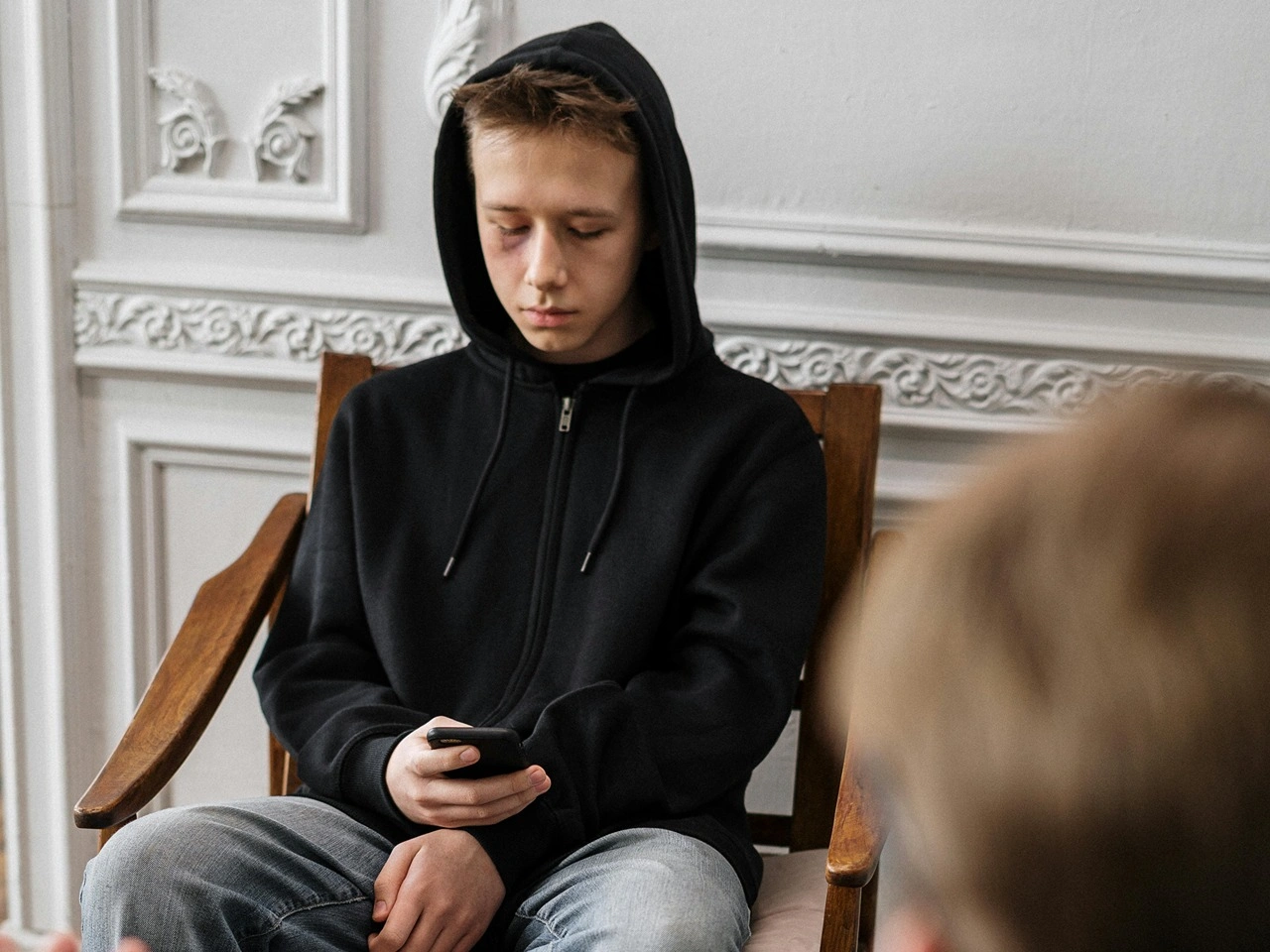
Knowing when to reach out for professional help can make a huge difference for both your teen and your family. Early guidance gives them the tools to manage emotions before things escalate and helps parents feel less helpless.
Signs That Professional Help May Be Needed
When anger is constant or intense, it’s more than typical teenage frustration. Frequent outbursts at home or school, ongoing arguments, or aggressive behaviour may mean your teen could benefit from extra support.
Self-Harm or Risky Behaviour
Any self-harm, like cutting, or risky actions linked to anger, should be taken seriously. These are clear signs that your teen needs guidance from a trained professional to stay safe and cope in healthier ways.
Impact on School and Social Life
If anger is affecting grades, friendships, or participation in hobbies, it’s time to consider outside help. Teens may feel frustrated or overwhelmed, and professional support can guide them through these challenges.
Difficulty Coping Despite Support
Even with parental guidance and coping strategies, some teens continue to struggle. Therapy can provide a safe space for them to explore emotions, understand triggers, and learn practical ways to manage anger.
When to Act Quickly
Signs like extreme aggression, threats, or self-harm require immediate action. Reaching out quickly can prevent harm and give your teen the support they need to regain control over their emotions.
Persistent Withdrawal or Isolation
Teens who avoid family, friends, or activities for long stretches may be hiding deeper emotional struggles. Professional support can help them open up and reconnect with their support systems.
Frequent Physical Aggression
Repeated hitting, pushing, or fighting is serious and shouldn’t be ignored. Mental health professionals can teach teens safer ways to express frustration and resolve conflicts.
Ongoing Mood Swings or Irritability
Extreme mood swings or constant irritability can signal underlying emotional challenges. Counselling can help teens understand these feelings and manage their reactions more effectively.
Difficulty Maintaining Relationships
When anger repeatedly harms friendships or family bonds, professional guidance can make a real difference. Learning better communication skills and coping strategies helps teens preserve relationships while managing emotions.
Final Thoughts
Teenage anger can be tough to handle, and it’s easy to feel frustrated or helpless when outbursts happen. Often, this anger comes from normal adolescent changes, stress, and the challenge of expressing feelings clearly.
Parents can make a real difference by staying calm, listening without judgment, and encouraging healthy ways for their teen to cope. It’s also important to watch for warning signs like self-harm, withdrawal, or ongoing aggression, which may need professional support.
Family therapy, counselling, or mental health guidance can help both teens and parents find strategies to manage emotions and rebuild trust. With patience, understanding, and the right support, families can navigate these challenges while keeping their bond strong.
Frequently Asked Questions
Why does my teenage son or daughter get angry towards me for no reason?
It can be really confusing and even hurtful when your teen seems to get angry for no reason, but most of the time, it’s not personal.
Understand the emotional changes: Hormonal shifts and changes in the brain during adolescence can make emotions feel intense and unpredictable.
Recognize external stressors: School, friendships, and peer pressure can pile up, leaving teens frustrated and irritable.
Notice communication challenges: Sometimes teens simply don’t know how to express their feelings, even to the parent they trust most.
Consider family dynamics: Arguments or tension at home can make small disagreements feel much bigger.
Focus on support: Staying calm, listening without judgment, and showing patience can help your teen feel understood and less alone.
What are the common signs that my teen is struggling with anger issues?
Spotting signs early can help you support your teen before anger starts affecting their life too much.
Look for emotional outbursts: Frequent yelling, crying, or slamming doors can show they’re having trouble managing feelings.
Observe physical or aggressive behaviour: Hitting, pushing, or breaking things may be their way of releasing frustration.
Notice withdrawal or irritability: Teens might isolate themselves, become moody, or seem frustrated with everything around them.
Watch for self-harm or risky actions: Any self-injury or risky behaviour needs immediate attention.
Consider social and academic effects: Trouble at school, broken friendships, or skipping activities can all be signs of deeper emotional struggles.
How can family dynamics contribute to a teen’s aggression towards their mother?
How a family communicates and handles conflict can shape how a teen expresses anger.
Observe communication styles: Constant criticism or yelling can make teens feel unheard and frustrated.
Notice boundaries and rules: Strict, inconsistent, or unclear rules can lead teens to act out.
Consider parental stress: Tension between parents or caregivers can create an environment where anger escalates.
Account for past experiences: Teens who have faced stress or conflict at home may react more strongly to small triggers.
Focus on improvement: Small changes like listening more, staying calm, and offering empathy can help reduce aggressive behaviours.
What coping strategies can parents use to help their teen manage anger?
Helping teens manage anger takes patience and practical steps that teach emotional control.
Encourage open communication: Let your teen talk about feelings without fear of judgment.
Set clear boundaries: Fair, consistent rules give teens structure and security.
Model calm behaviour: Showing how to handle frustration can guide teens in managing their own reactions.
Support emotional regulation: Teach simple techniques like deep breathing, journaling, or taking a pause before reacting.
Promote self-care and problem-solving: Healthy sleep, hobbies, and working through challenges together can help teens feel more in control.
When should I seek professional help for my teen’s anger and aggression?
Knowing when to reach out can protect your teen and improve your family life.
Look for persistent or intense anger: Frequent arguments, aggression, or frustration beyond what’s typical may need professional guidance.
Pay attention to risky behaviours: Self-harm, substance use, or threats should be taken seriously and addressed quickly.
Notice social and academic impact: Falling grades, broken friendships, or withdrawal can signal deeper emotional struggles.
Consider lack of improvement: If home strategies aren’t helping, therapy or counselling can provide new tools and guidance.
Act quickly if necessary: Extreme aggression or signs of self-harm call for immediate help from a mental health professional.
Check out more helpful articles
Lorem ipsum dolor sit amet, consectetur adipiscing elit, sed do eiusmod tempor incididunt ut labore et dolore magna aliqua. Lorem ipsum dolor sit amet, consectetur adipiscing elit, sed do eiusmod tempor incididunt ut labore et dolore magna aliqua.
Shame vs Guilt: How to Tell the Difference and Their Emotional Impact
Learn the key differences between guilt and shame, how they affect your emotions and mental health, and learn strategies to cope effectively.



Signs and Causes of Attention Seeking Behaviour
Learn the common signs of attention seeking behaviour in people, the underlying causes, and what drives the need for attention in daily life.

Why This Fear of Losing Someone Feels So Strong and How to Cope With Fear of Loss Before It Even Happens
Why does the fear of losing someone feel so strong? Explore the anxiety behind this fear and how to manage the worry of losing a loved one before it even happens.

Contact US
Know who you want to book with?
Book Online HereHave questions about counselling or something else?
Call or email us.
Want help choosing the right therapist? Complete our connect form below.


We are ready and looking forward to meeting you. Get started today by clicking the link below and booking your free 15-minute discovery call. All our services are private and confidential.

Disclaimer: Content on this website is for informational purposes only. Visiting this website does not establish any type of therapist-client relationship with Upstream Counselling or its staff. Information obtained from this site does not substitute for a thorough medical and/or psychiatric evaluation by an appropriately credentialed and licensed professional.